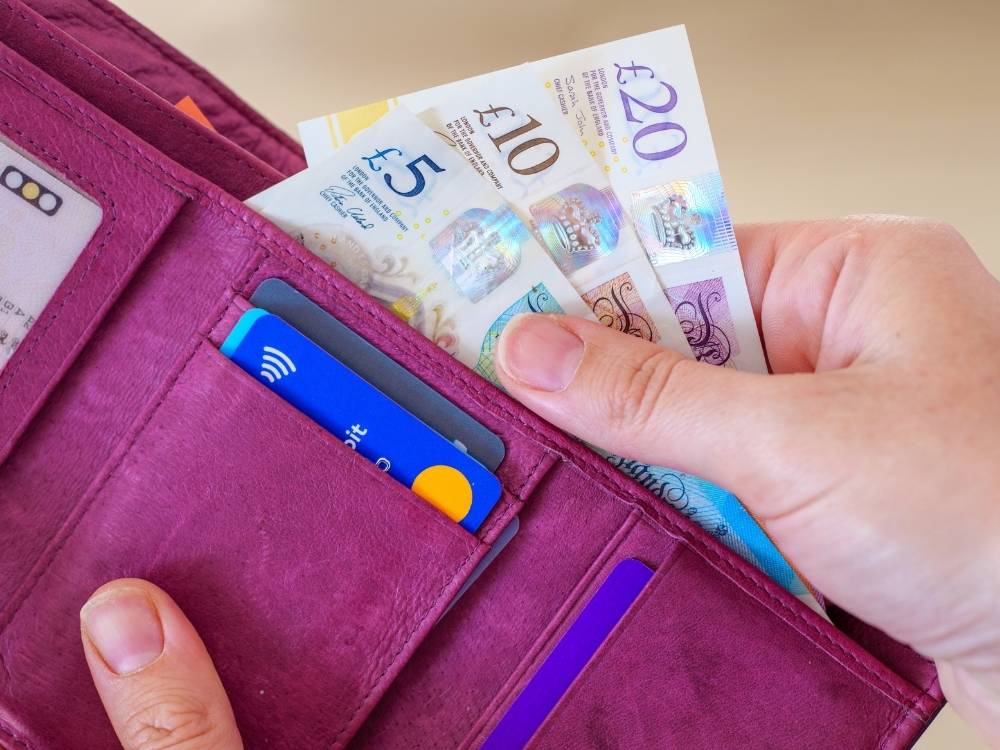
You've done all the "right" things. You've saved consistently, avoided unnecessary spending, made sensible decisions, and built financial security. So why does the thought of spending your money still feel wrong?
In this episode, Steve is joined once again by resident psychologist Jess to explore what they jokingly call Financial Permission Deficit Syndrome (FPDS). While not a clinical diagnosis, it's something they both encounter regularly: people who have more than enough money to fund the life they want, yet struggle to give themselves permission to enjoy it.
Together, they unpack the habits, beliefs and stories that shape our relationship with money over a lifetime and share practical ways to start reframing money as a tool for living, not simply a number to accumulate.
Highlights:
- What Financial Permission Deficit Syndrome (FPDS) is and why so many successful savers experience it
- The irony that the habits which build wealth can become barriers to enjoying it
- How childhood messages, family influences and personal identity shape spending behaviour
- Why inheritance guilt and loss-focused thinking can make it hard to enjoy money
- Practical ideas including "joy budgets" and spending experiments to help build confidence and permission
Key takeaway: Money that never gets used to support the life you want isn't really serving its purpose. By recognising the stories and habits that keep you stuck in saving mode, you can begin giving yourself permission to enjoy the freedom, experiences, relationships and opportunities you've worked so hard to create.
Listen to the Episode
Watch the Episode


.png)